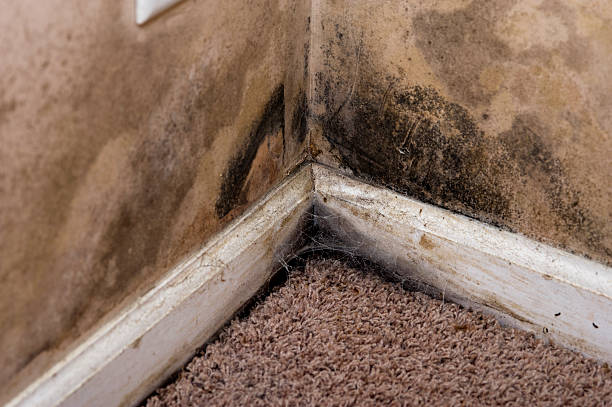
If your basement smells damp or you’re seeing dark spots along baseboards, you’re not just dealing with a cleaning issue. You’re dealing with moisture.
In cold and humid climates like Massachusetts and the Midwest, I see this pattern every spring: snow melts, soil becomes saturated, humidity rises, and mold starts forming in corners that were “fine all winter.” Mold growth in basements is almost always a moisture problem first and a surface problem second.
If you ignore it, it doesn’t stay cosmetic. It can spread behind drywall, affect air quality, and signal deeper issues like hydrostatic pressure or developing foundation cracks.
Let’s talk about how to stop mold growth in basement spaces the right way.
Quick Answer
To stop mold growth in basement areas, you must control moisture first. Lower humidity below 50–55%, fix active leaks, improve drainage outside, and relieve hydrostatic pressure if it exists. Cleaning visible mold without addressing basement moisture will only provide temporary results.
Permanent mold control starts with moisture control.
Why Mold Grows in Basements
Basements create the perfect environment for mold:
- Limited airflow
- Cooler surfaces
- Concrete that allows vapor transmission
- Seasonal humidity spikes
- Freeze-thaw damage widening small cracks
In homes with concrete block walls, moisture can travel through hollow cores and evaporate indoors. With a poured foundation, vapor often migrates through hairline cracks or cold joints where the slab meets the wall.
During inspections, I use a moisture meter on framing and sill plates. Readings above 16–18% typically mean conditions are favorable for mold growth.
If I see efflorescence along the slab edge, that tells me moisture is actively moving through the foundation.
According to guidance from the United States Environmental Protection Agency, controlling moisture is the primary strategy for preventing mold indoors.
Signs You Have a Mold Problem (Beyond Visible Spots)
Mold doesn’t always announce itself with black patches.
Look for:
- Persistent musty odor
- Warped or swollen baseboards
- Efflorescence on foundation walls
- Condensation forming on HVAC ductwork
- Relative humidity staying above 60%
One quick test I often recommend: tape a 2×2 plastic sheet tightly to the slab for 24 hours. If condensation forms underneath, vapor transmission is occurring through the concrete.
That’s basement moisture feeding mold, even if you don’t see it yet.
You can also see common signs of basement water damage.
Immediate Steps to Stop Mold Growth
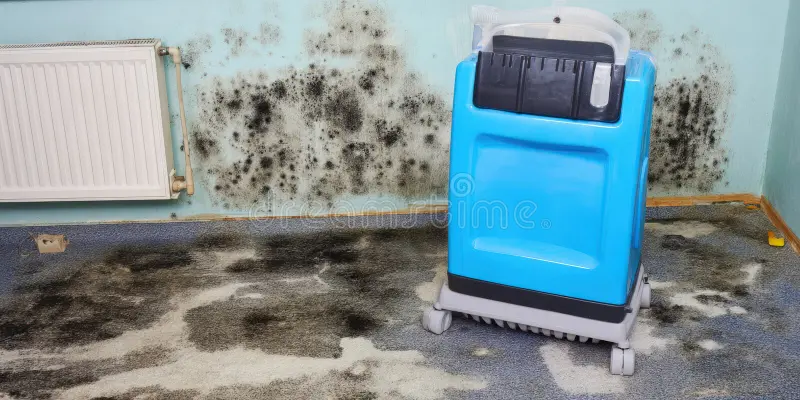
If mold is already present, act quickly but safely.
Start with:
- Removing cardboard, fabric, and stored organic materials
- Running a 50–70 pint dehumidifier continuously
- Increasing airflow with box fans
- Fixing active plumbing or wall leaks
- HEPA vacuuming visible mold areas
⚠ Safety Warning: Avoid using bleach on porous materials like drywall or wood. Bleach does not penetrate deeply and can create fumes in enclosed spaces. Improper cleaning can spread spores rather than remove them.
Small, surface-level mold on non-porous materials can often be cleaned. But if humidity remains high, mold will return.
That’s why simply scrubbing walls rarely solves the problem.
Long-Term Prevention (This Is What Actually Works)
Stopping mold permanently means eliminating the moisture source.
Improve Exterior Drainage
- Extend downspouts at least 6–10 feet
- Regrade soil away from foundation
- Clear clogged gutters
Surface water management is often the cheapest first correction.
Install a Sump Pump if Needed
If hydrostatic pressure is pushing water under the slab, a sump pump relieves that pressure before moisture migrates inside.
A proper system includes:
- Sealed basin
- Check valve
- Exterior discharge
- Battery backup in cold climates
Spring thaw combined with heavy rain is when many systems fail.
Install an Interior Drain System
If water rises through the slab or appears mid-floor, an interior drain tile system connected to a sump pump is often necessary.
This directly addresses pressure under the foundation.
👉 See our complete basement waterproofing cost guide.
Seal Foundation Cracks
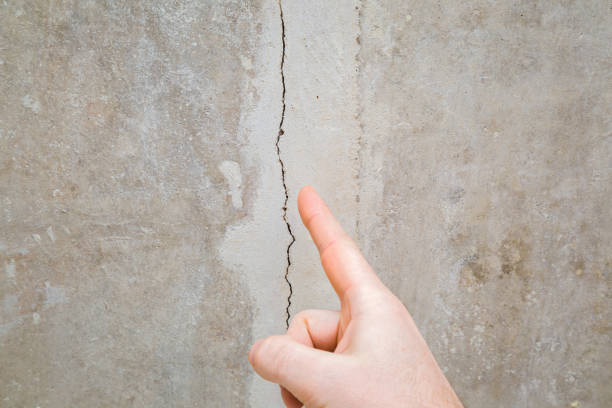
For active leaks:
- Epoxy injection for structural cracks
- Polyurethane foam for flexible waterproof sealing
If cracks are widening or horizontal, that may indicate structural movement.
👉 Read our guide to foundation crack repair methods.
Install a Vapor Barrier
Vapor barriers beneath flooring systems prevent moisture migration through concrete slabs. In finished basements, this is critical.
Using mold-resistant drywall and treated framing materials also reduces risk.
Cost to Remove and Prevent Mold in 2026
Here’s what homeowners typically spend:
- Small DIY cleanup: $200 – $800
- Professional mold remediation: $1,500 – $5,000
- Exterior drainage correction: $500 – $2,000
- Sump pump installation: $1,800 – $3,800
- Interior drain system: $3,500 – $9,000
If mold keeps returning, repeated cleanups can cost more than fixing the drainage or pressure issue once.
When to Call a Professional
Call for inspection if you notice:
- Recurring mold growth
- Water rising through slab
- Hidden moisture behind drywall
- Bowing concrete block walls
- Expanding foundation cracks
When I see repeated mold in the same location, it’s almost never just a cleaning problem. It’s usually moisture migration from outside or below.
Thermal imaging and moisture meters can identify hidden saturation behind finished walls.
FAQ
Can mold grow on concrete?
Yes. Mold feeds on organic dust and debris on concrete surfaces, especially when basement moisture is present.
Does a dehumidifier stop mold permanently?
A dehumidifier helps control humidity, but it does not fix active leaks or hydrostatic pressure.
Is bleach safe for basement mold?
Bleach can disinfect non-porous surfaces but is ineffective on porous materials and may create harmful fumes in enclosed spaces.
What humidity level prevents mold?
Keeping basement humidity below 50–55% significantly reduces mold growth risk.
Final Thoughts
If you’re trying to figure out how to stop mold growth in basement spaces, remember this: mold is a symptom. Moisture is the cause.
You can safely:
- Improve ventilation
- Run a properly sized dehumidifier
- Remove organic materials
- Correct minor drainage issues
But recurring mold, water intrusion, or expanding foundation cracks require professional evaluation.
Ignoring mold today can lead to expensive structural repairs tomorrow. Address the moisture early, and you protect both your home and your indoor air quality.